2025 was the year AirPlus International became AirPlus Not-So-International. Although continuing to operate in 33 markets across Europe and North America, the specialist corporate travel payments provider withdrew from 29 countries across Asia-Pacific and Latin America.
AirPlus's retreat came less than 12 months after being acquired from Lufthansa Group by Swedish bank SEB Kort in August 2024. The withdrawal proved a major headache for global clients everywhere from Germany, its dominant home market, to China, where many companies with Western-style travel management programs had long placed AirPlus at the heart of their processes.
Both FCM and BCD Travel posted advice for Asian clients on LinkedIn. BCD's managing director for North Asia, Jonathan Kao, wrote that the decision "sent shockwaves through the travel management world" and had "significant implications" for many multinational companies.
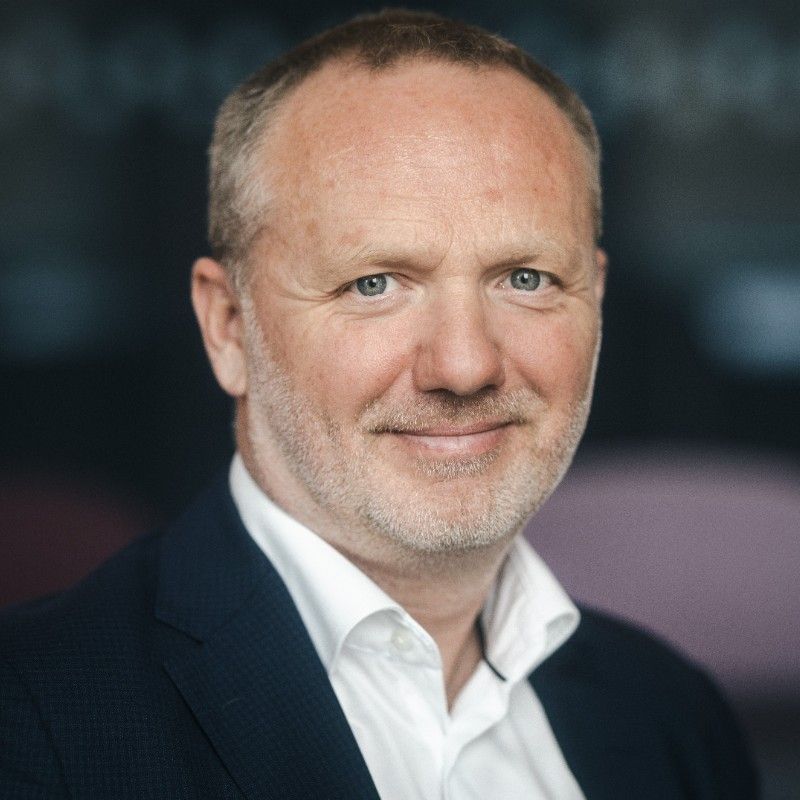
"We understand it caused problems, but we tried our best to facilitate the journey," said Mads Krumhardt Enggren, AirPlus CEO since the acquisition. Support included recommending and transferring clients to other Universal Air Travel Plan issuers in the markets AirPlus exited. Krumhardt Enggren added that AirPlus continues to offer globally consolidated reporting after creating APIs that allow the other recommended issuers to feed their transaction data into its systems.
As to why AirPlus scaled back, Krumhardt Enggren asserted it had proved unfeasible to meet regulatory requirements in so many countries. "It's difficult to keep up the pace and invest anything into the business other than being compliant," he said. "Europe and North America have a regulatory framework which is more or less identical, while Latam and APAC especially are very fragmented."
Krumhardt Enggren believes AirPlus will be judged on the right side of history as the business world increasingly abandons an illusion that consistent service can be provided worldwide. "The world is de-globalizing at the moment," he said. "We are part of that trend. We are pushing the market to understand there is a choice out there. Either you keep your focus on quantity or you accept the world is moving in a different direction and that it's difficult to keep a high-quality service delivery while trying to be global."