 Arcadis' Ian Spearing Credit: JWCannon Creative
Amsterdam-based design and consulting firm Arcadis has signed a 10-year contract with FCM Travel, bucking the standard industry practice in what both buyer and supplier hope will enable a more strategic relationship and long-term planning.
For enterprise travel programs—Arcadis has reported about 10,000 frequent travelers in its program and travels to about 25 countries—TMC contracts typically last three to five years. Longer contracts are "not completely unprecedented but somewhat unusual," FCM global head of management and consulting Jo Lloyd said.
For Arcadis, however, it is not at all unusual to have long-term contracts with clients, director of travel Ian Spearing said. "Arcadis as a business is very comfortable with long-term client contracts, so with that in mind, we wondered if we could do it the other way," he said.
At the same time, Spearing said he wanted to think differently about the Arcadis travel program, not just from the perspective of travel but also how it could, for example, help create more billable hours for the company's client teams or have better forecasting metrics for its business.
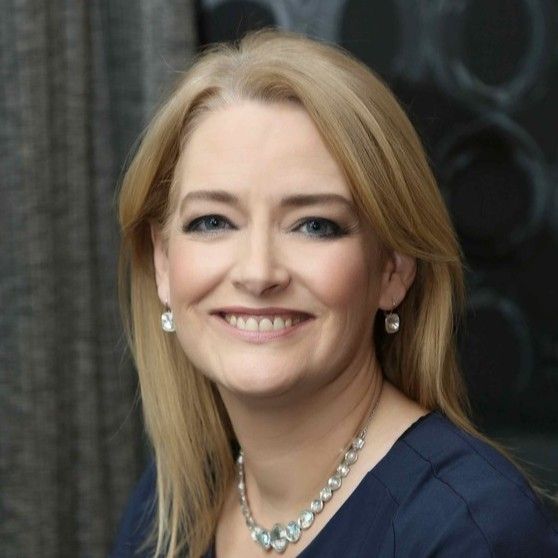 FCM's Jo Lloyd
"That should move away from a much more transactional model to more of a strategic, technology-focused and human-in-the-loop purpose," Spearing said. "That's where the industry is going, and I wanted to make sure we have the partners to build that."
Spearing said he presented the idea to Lloyd and the FCM account team, as Arcadis already had been a client with FCM for three years, to discuss what such an agreement might look like and the potential benefits for both sides.
"When he brought it to us as a conversation, it really was the opportunity to get stability and a long-term partnership," Lloyd said. "When you have that stability, and you're not running from cycle to cycle to cycle, you have the opportunity to plan for the long term."
Having a longer cycle helps prevent "change fatigue" from end users and has cost-savings benefits from not having to conduct the request for proposal or information process as frequently, she said.
On the innovation side, however, a 10-year agreement gives a longer runway to experiment and pilot solutions as part of the partnership. In a typical cycle, buyers and TMCs might be less willing to take risks, because it they start an initiative and it doesn't work out immediately as expected, it likely will be time to start the negotiating process again before they can try something else.
Without the distraction of regular renewals, Spearing said he aims to "start leapfrogging" larger programs in terms of innovation, with the conversation moving "away from price and service levels" to key performance indicators that have value for both buyer and TMC. Rather than a "services-based relation," he plans to explore bigger aims, such as building "good data lakes to build AI on top of" and testing out different ideas in different markets, he said.
"We can move through the planning stages of any project quite quickly, because we have a baseline of understanding," Spearing said. "As an industry, we're not confident with fast test-and-learn and not willing to be comfortable with failure, and this gives us a good safe space where we know both businesses, we can stand up some ideas, and consulting can come in and help us build out what that use case might be."
The agreement covers not just FCM but also FCM's consulting services and FCM Meetings and Events, which Lloyd said allows for a holistic approach. With this 10-year contract in place, she said there are opportunities to pursue agreements of similar length with other clients, though she said it is more of a "framework" than a "model" for future deals.
After all, not only will FCM's own tech stack and offerings look very different in 10 years' time, so will Arcadis' program and needs. As such, any long-term agreement with another client would need to be built specifically to that client's needs and directions, she said.
Regardless of the agreement, she said a long-term agreement sets as a foundation one element that often is missing the buyer and TMC relationship.
"Trust is something we talk about so frequently in our industry and rarely exhibit," Lloyd said. "For me, building on that trust is really about getting that deep integration. You stop talking about things like compliance and savings and see how we can move the needle of the travel program. We're in it, we chose each other for the long term, so we innovate."