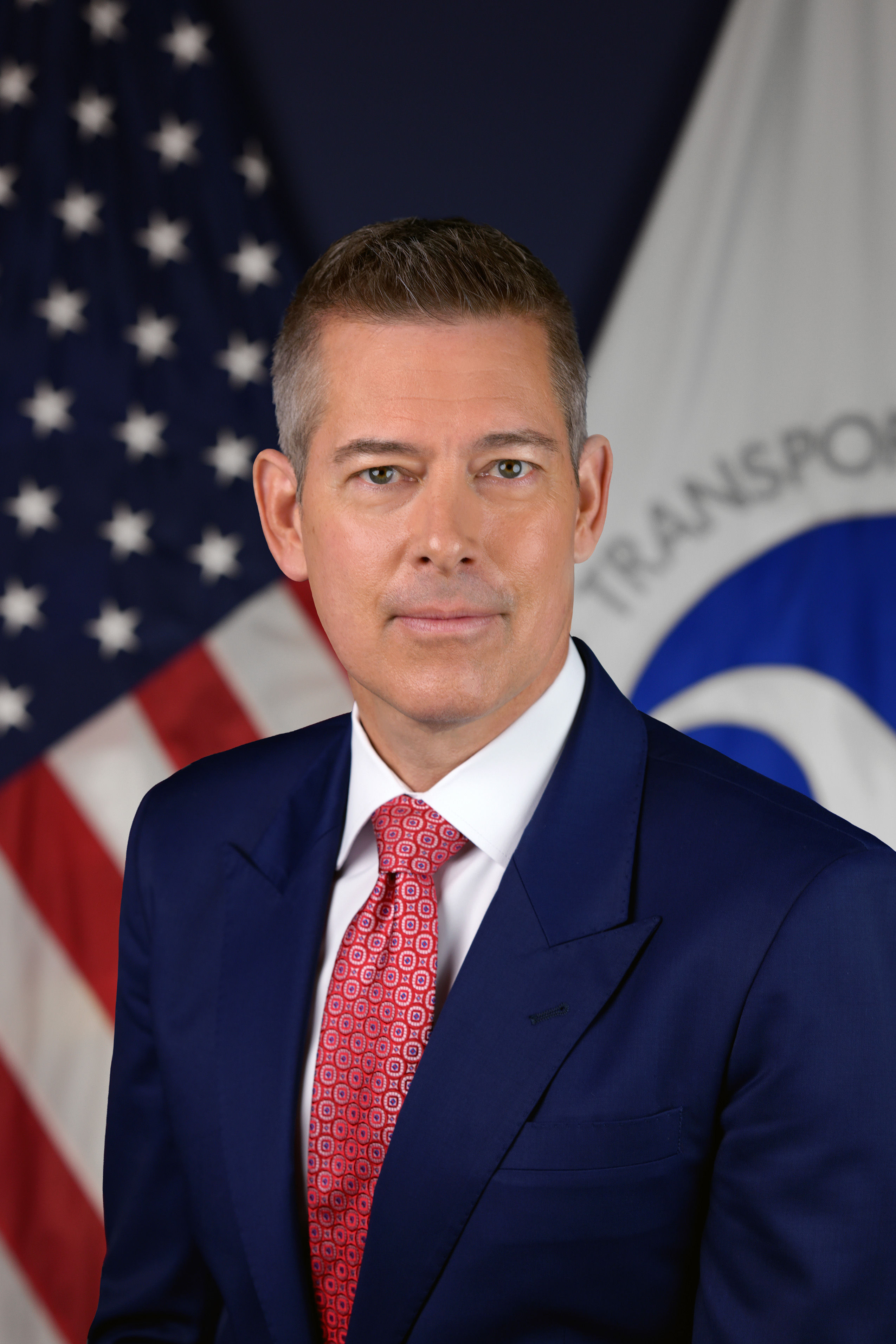
It's been a busy year for U.S. Department of Transportation Secretary Sean Duffy, who until this week also had the temporary dual role of heading up NASA. His first year as DOT Secretary has proven eventful, and Duffy has been a visible presence, with frequent press conferences highlighting transportation concerns, some of which have been plaguing the industry for years.
Aviation safety has been at the forefront of travel news nearly the entire year. Days into his tenure in late January, an American Airlines jet crashed with an Army helicopter in Washington, D.C. In February, a Delta Air Lines flight from Minneapolis caught fire and flipped upside down while landing in Toronto. Technical outages and air traffic control shortages affecting Newark Liberty International Airport in April and May caused cancellations and delays, particularly for United Airlines, which has a hub there. Ongoing controller shortages during the government shutdown in October and November led Duffy to proactively mandate capacity cuts at 40 "high-traffic airports" to ensure the safety of U.S. airspace, which led several carriers to downgrade their guidance for the fourth quarter.
Those incidents, and others, motivated Duffy's "supercharged" efforts to hire and train at least 8,900 new air traffic controllers through 2028 to help alleviate the decades-long shortages of individuals in those positions. But hiring efforts long have been a challenge, even with increased salaries and
bonus offers: The rate of failure at the Federal Aviation Academy is at
least 20 percent, with some sources reporting up to 35 percent. Many
others don't make it through the certification process.
The Newark challenges, however, led to a plan for a new air traffic control system to replace the "antiquated" one, and Duffy secured $12.5 billion from Congress as a "down payment" for the modernization efforts, which are estimated to cost $31.5 billion. Work has already been underway at Newark and elsewhere for this endeavor.
At the same time, Duffy in July helped clear the way for the approval of the JetBlue and United "Blue Sky partnership, established just two years after a federal court
ordered the dismantling of the JetBlue and American Airlines "Northeast
Alliance" partnership for antitrust reasons. The new deal will enable
United to return to John F. Kennedy Airport by 2027 using JetBlue slots.
Further, in November, DOT ended a proposed Biden-era rule that would have required domestic carriers to pay additional compensation for cancellations or delays of three hours or more within their control, thereby lessening what would have been stiffer consumer protections.
DOT in December also waived the final $11 million payment for Southwest Airlines' civil penalty for its December 2022 holiday meltdown, instead the agency transferred that amount to a credit for the carrier.
Duffy also in November announced a new "civility campaign" ahead of this year's holiday travel season to help address a surge in unruly passengers, with recommendations to aid pregnant women and elderly travelers with their overhead bags, to dress with "respect," and to say "please" and "thank you."
Are we heading into a new "golden age" of travel politeness? It won't be for lack of trying.