
BTN's 2024 Travel Manager Salary & Job Satisfaction Report
Respondents see another pay hike, if more modest than in recent years.


For the fourth consecutive year, the average compensation package in 2024 reported by U.S. travel manager respondents to BTN's annual Salary Survey increased year over year.
And though this year's average hike didn't keep up with the breakneck pace of the increases of the prior two years, that respondents were able to consolidate and build upon those gains is no small feat, particularly when compared with the years of pre-pandemic salary stagnation the industry endured.

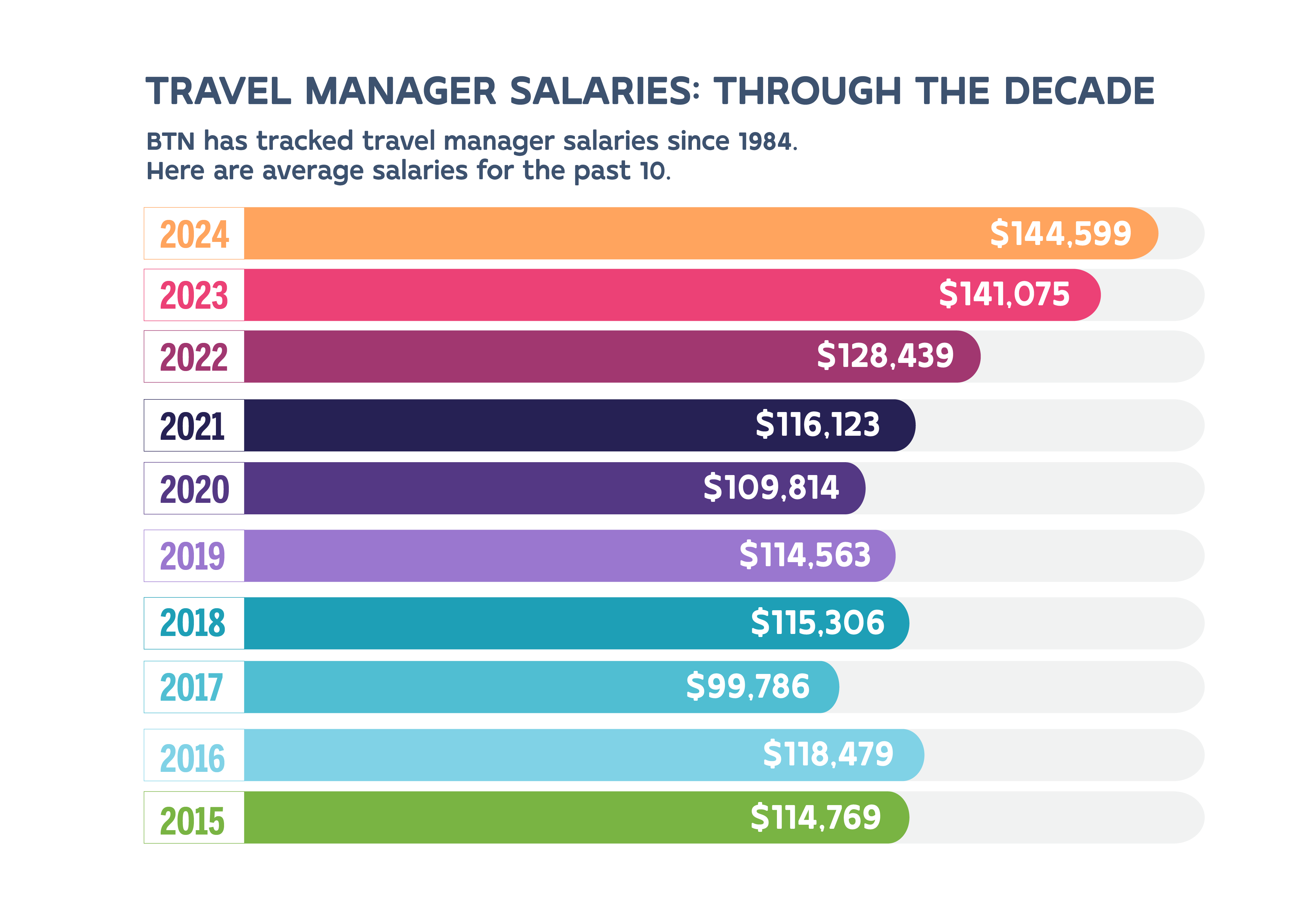
The average 2024 compensation package reported by 296 U.S. travel and procurement managers and executives was $144,599, up 2.5 percent year over year. That's actually a tick under the U.S. Consumer Price Index, a common metric for inflation, which rose 2.6 percent year over year for the 12 months ending in October, according to the U.S. Bureau of Labor Statistics.
Still, the 2024 travel manager average compensation package represents a 32 percent hike from the 2020 average reported in this survey. It's a further sign that many travel managers have been able to drive significant pay increases, thanks to a mix of a tight labor market, a reasonably sturdy economy and, perhaps, a growing appreciation in corporate executive circles of the value of the discipline of travel management as volumes and patterns creep back toward pre-pandemic normalcy.
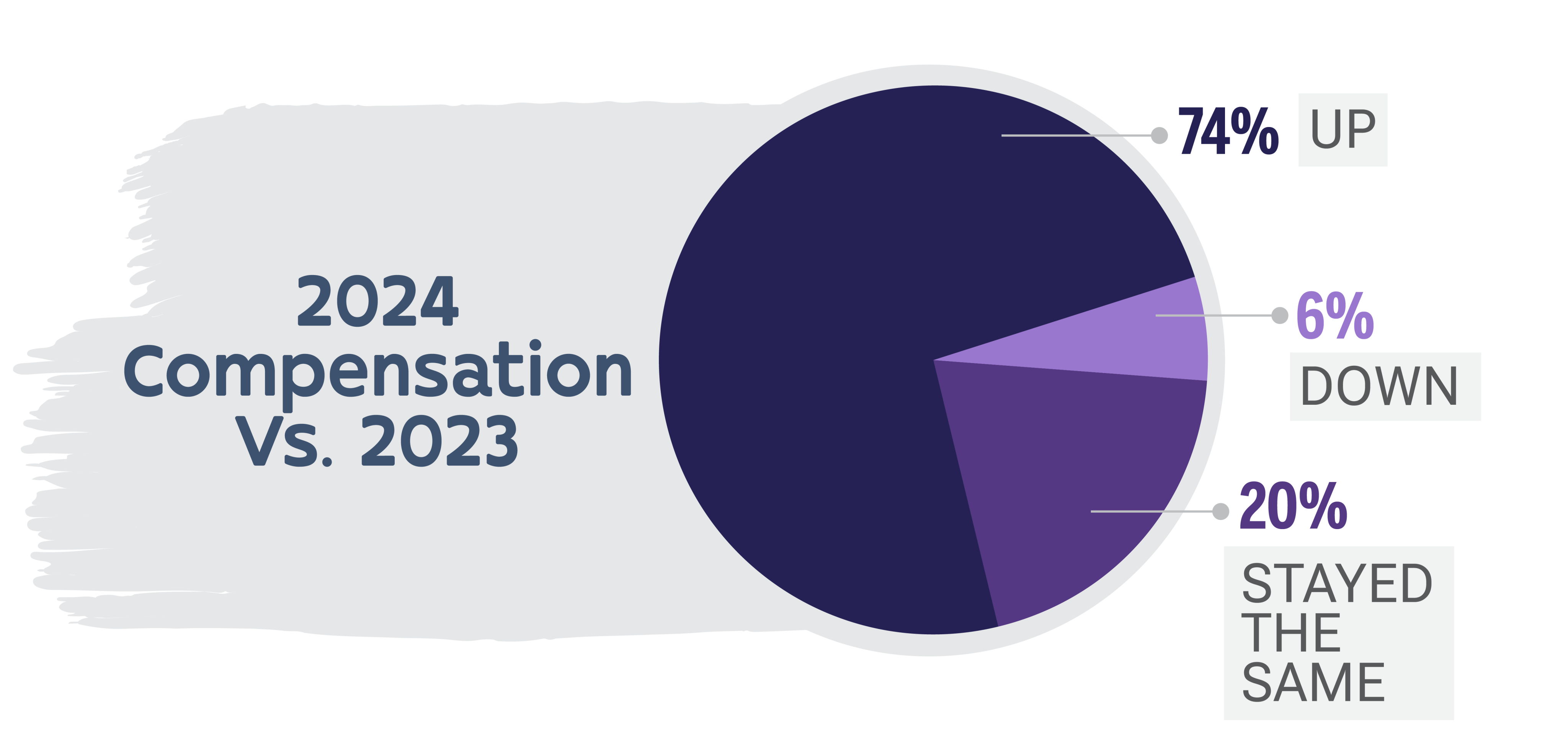
To be precise, 74 percent of respondents reported their 2024 compensation increased from 2023 levels. About 6 percent reported a decrease. The rest stayed the same.
How Do Travel Managers Stack Up?
Other measures of white-collar wage growth show travel managers to be more or less in line with overall U.S. trends. According to preliminary data from the Bureau of Labor Statistics, the average weekly earnings of professional and business services employees of private companies in the U.S. in October increased about 4.8 percent year over year.
Though that figure outpaces the 2.5 percent growth in this survey's average 2024 compensation growth, it's not quite apples to apples: The BLS data is only for October and is a measure of weekly wages, as opposed to the BTN annual compensation figure. It also doesn't tell the whole story of BTN respondents' salary growth.
BTN also asked this year's set of travel manager respondents to report their total 2023 compensation package, the average of which was slightly lower than last year's reported survey average. And the average year-over-year change from the 2023 package was an increase of 5.8 percent year over year, higher than the BLS figure.

A Quick Caveat
Before delving into the particulars of BTN's salary data, a word of caution: BTN conducts a lot of surveys of travel managers, but none are quite as personal as this. There's something quite different about asking readers their salaries instead of, say, their thoughts on airline services or their opinions of their companies' sustainability strategy. It raises the specter of non-response bias: Are the readers who are happy with their big raises more likely to answer the BTN survey than those who feel underappreciated, underpaid and overworked? (More on the latter category later.) And, if so, how does that affect the data?
These aren't questions we really can answer with any degree of precision, but it's worth keeping in mind the possibility that survey figures may be rosier than real-world conditions because of it. That said, the same potential bias would apply every year, not just in this one.
Salary Subgroups
As there has been in each of the 41 years in which BTN has conducted this survey, there is a significant difference not only in the average salary of men and women but also in the makeup of the survey respondents: About 73 percent of respondents said they were female, while 25 percent said they were male. (The remaining 2 percent either identified as non-binary or declined to answer.)
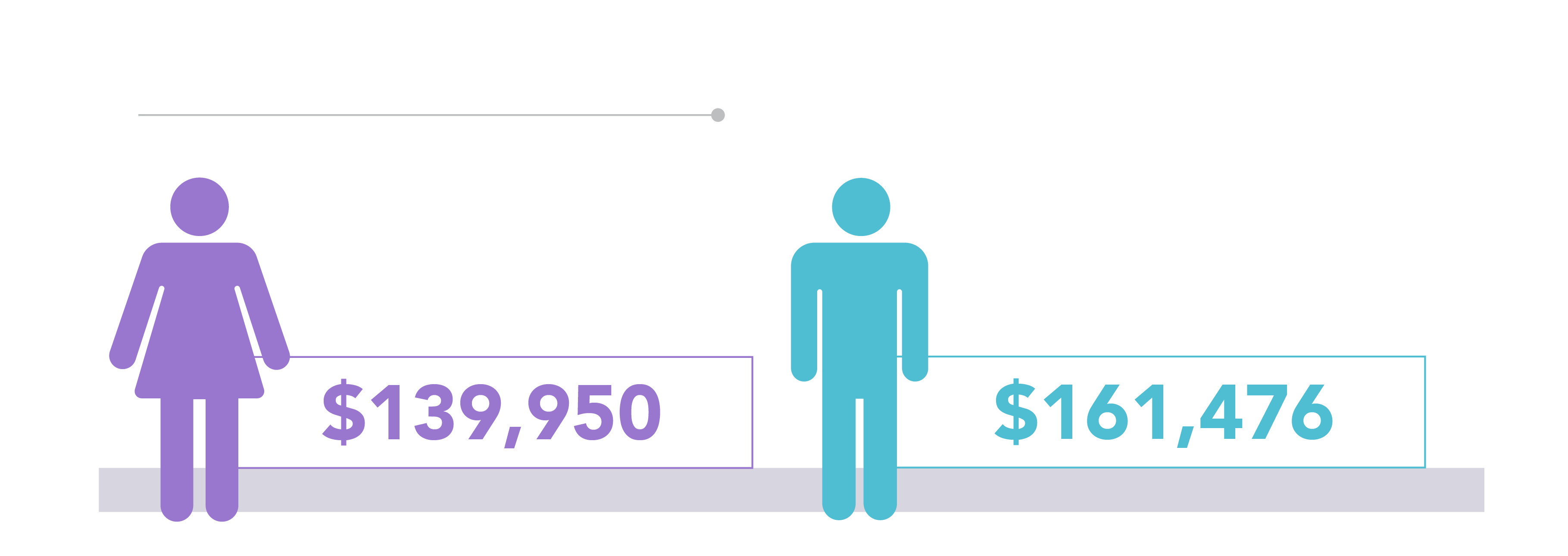
The average 2024 compensation package for men in the survey increased to $161,476, while for women it increased to $139,950. That gap is a bit bigger than that found in last year's survey, and it means that for every dollar a male respondent earned, a woman earned a bit less than 87 cents. That's up from 84 cents to the dollar in 2022 and 81 cents in 2019, but it's down from 89 cents last year.

That's not the only category in this survey in which there is a gender gap. There's a notable disparity in the makeup of respondents by program size as compared to the full set. For example, of those respondents who said their organizations have less than $3 million in annual travel spending volume, 88 percent said they were women, well more than the overall 73 percent. On the other end of the spectrum, only 61 percent of the respondents from organizations with more than $100 million in annual travel spending volume said they were female.
When it comes to compensation, that matters, since in 2024 as in prior years there was a clear relationship between salary and program size, topping out with an average of nearly $190,000 among respondents from the companies with the largest travel budgets. This year, the ramp-up in salary among tiers was fairly gradual, with only those from organizations with less than $3 million in travel spending failing to clear $100,000 in average salary.


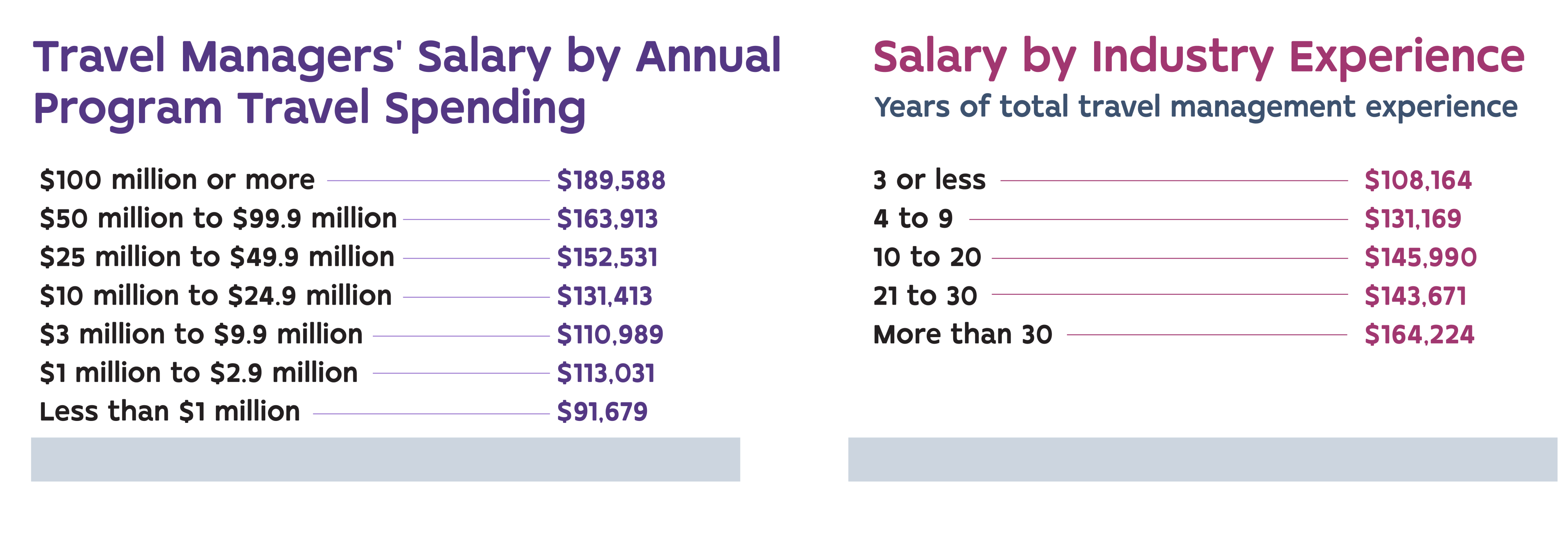
There was no particular gender gap across respondents regarding their length of tenure managing travel professionally—comparatively, each tier was roughly even in each experience tier—but, as usual, industry experience strongly correlated with higher pay. Compensation levels by experience bracket were very similar to those reported in last year's survey, with perhaps a slightly stronger year-over-year performance in the lower tiers. The true veterans, those with more than 30 years of travel management experience, on average made more than $164,000, up from $162,000 in last year's survey.
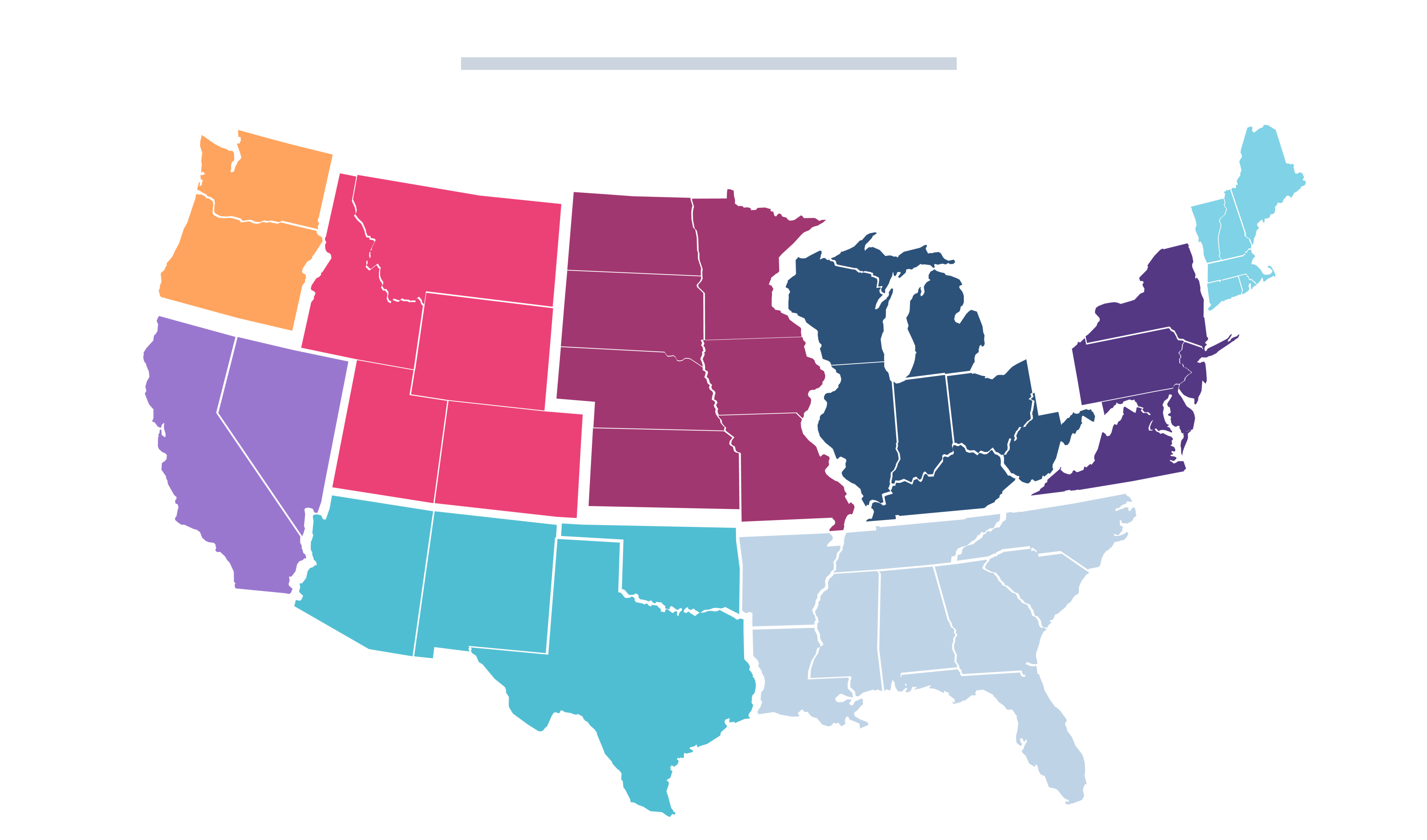
From a regional standpoint, there's a new salary champion in this survey: the mid-Atlantic, within which BTN includes New York, New Jersey, Philadelphia and Washington, D.C., and where the average 2024 compensation package of nearly $164,500 finished a few hundred dollars ahead of the West region—California and Nevada—which headed the 2023 survey. Sample sizes can get pretty small here, especially outside the coasts, but most regions outside of the Pacific Northwest and the Rocky Mountain states posted year-over-year increases.

More Pay. More Work?
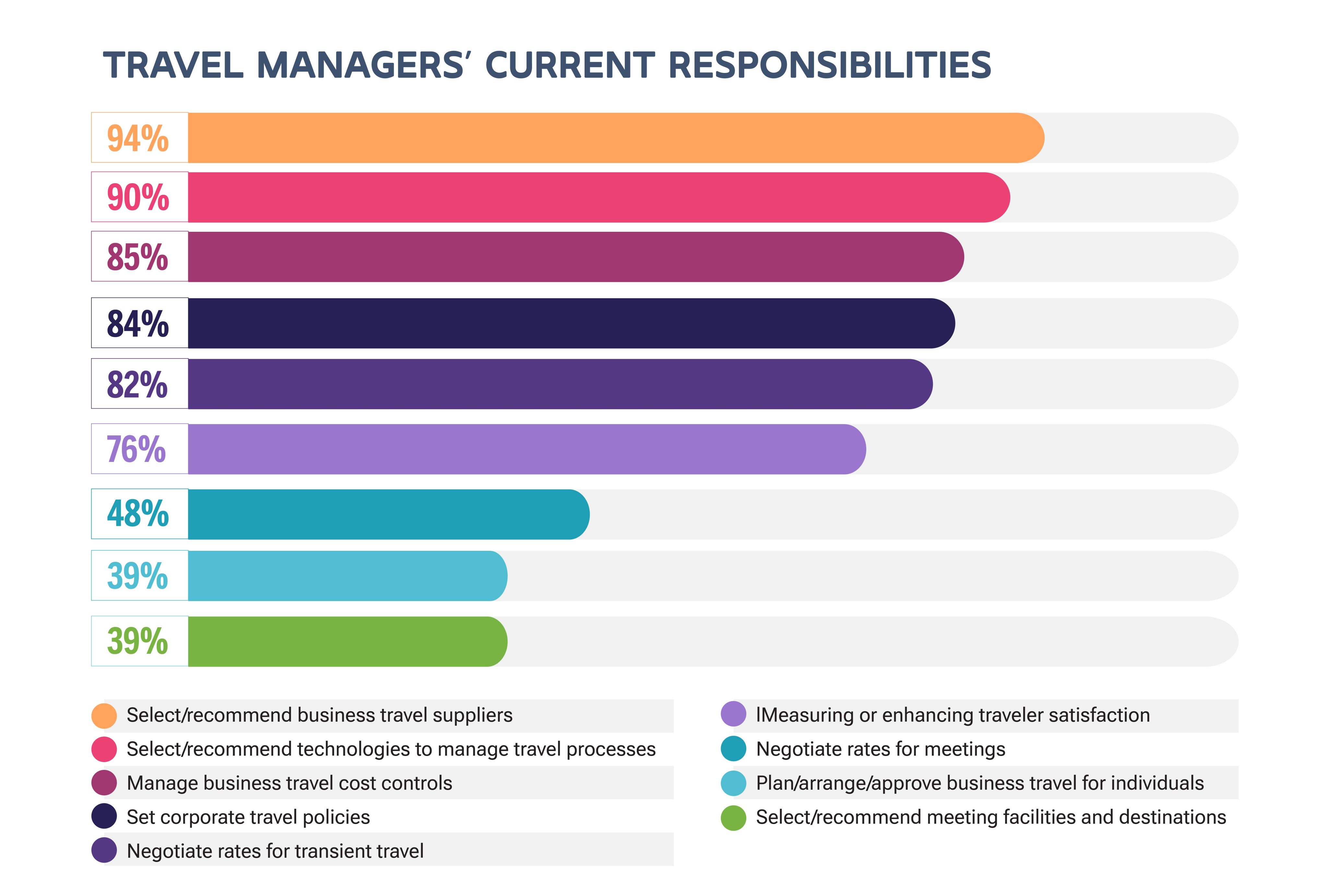
The functions that travel manager respondents typically handle to earn their increased salaries in many cases stick in traditional lanes. Nearly all of the respondents to BTN's survey help select or recommend business travel suppliers for their organization's travel program. Vast majorities select or recommend travel technology, manage business travel cost controls, set corporate travel policies and negotiate transient travel, all at consistent rates as last year's and previous surveys.
One difference in this year's poll, however, is a higher share of respondents who indicate they're involved in meetings management. About 48 percent of this year's respondents said they negotiate rates for meetings, up from 40 percent last year, and 39 percent said they select or recommend meeting facilities and destinations, up from 34 percent.

In fact, several respondents cited meetings management in an open-ended survey question that asked about the biggest changes in their job in the prior 12 months. One respondent in 2024 was "more focused on capturing the spend across meetings and business units." Another wrote they were "implementing a meetings management system and meetings policy." Others simply noted that their focus on meetings management had increased or they had been newly assigned meetings responsibilities in their organization.
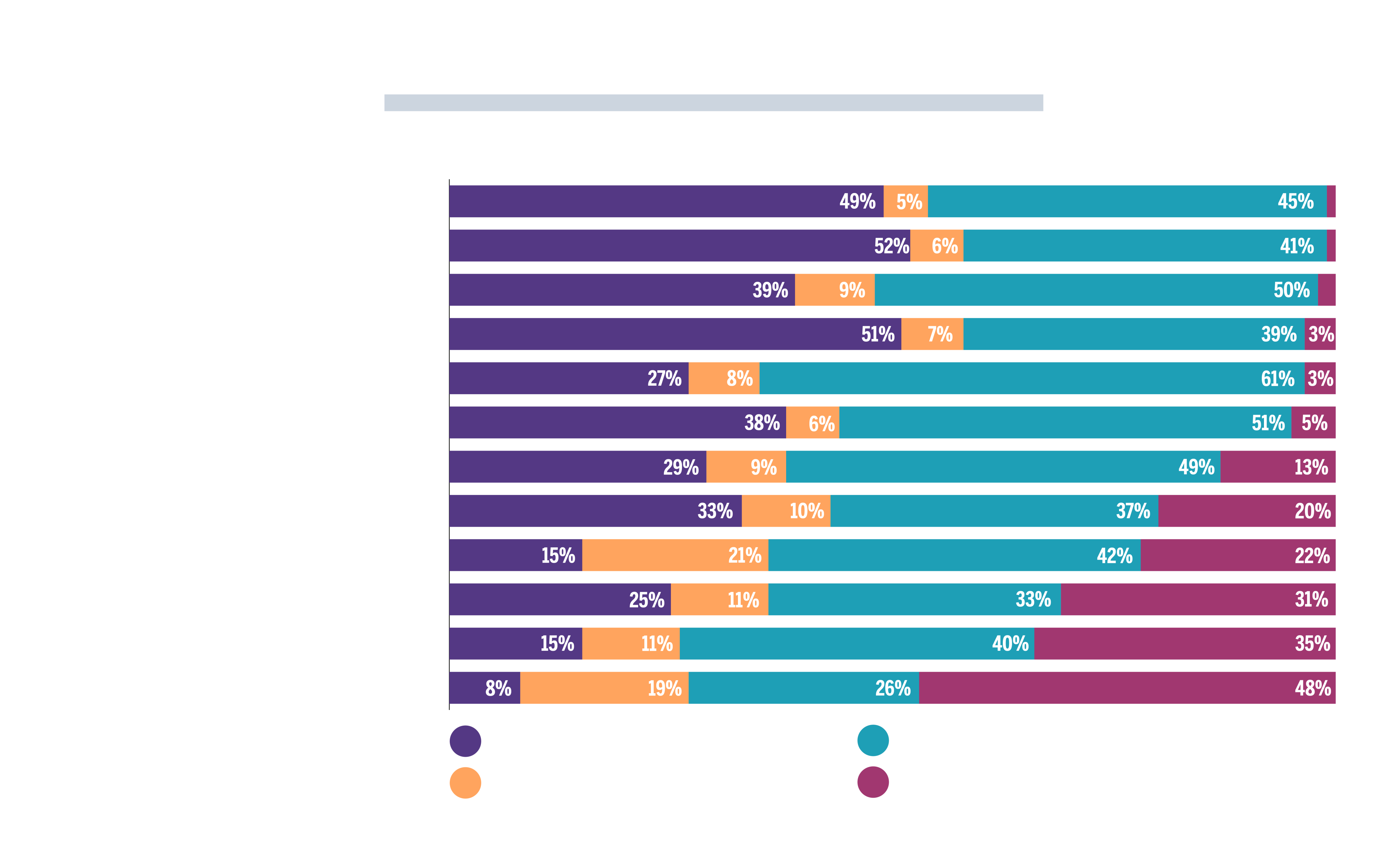
Still, when asked specifically in the survey whether their professional focus on meetings management in 2024 had increased, 25 percent said it had—notable, but much lower than several other categories. About 11 percent said that focus actually had decreased in 2024, while a third said it had remained the same. The question wasn't applicable to the remainder.
Of the topics for which respondents have increased their focus this year, more than half of all respondents cited corporate travel booking technology, and the same for program innovation and new travel technology and services. Stark figures, but likely not shocking, as the rapidly developing technological options and shifting supplier sets have challenged travel managers to assess and source new options from new players. Online booking tools in particular sit at the nexus of technological development, changing supplier distribution strategies and an evolving competitive set.

When asked in the open-ended question about changes to their jobs in 2024, respondents cited online booking and other technology but noted other topics, as well:
Structural changes to travel programs. Several respondents noted that their organization's philosophical approach to travel management and the associated configuration under which it operates is under review or changing. "Showing management the value, breadth and depth of what a travel program involves," one wrote of their 2024 changes. "Leadership focus is on cost savings rather than cost avoidance. When you do your job well, things are smooth and leadership thinks it's simple, admin work."
Another wrote that they now have to "take on other procurement categories, as our travel spend has not returned to pre-Covid levels so procurement leadership does not see the travel category as having much savings opportunity. Travel used to be one of our top spend categories and is now the lowest."
Another, though, wrote of "extraordinary growth in overall travel," leading to more activity and responsibility.
Changes to travel policy. Several respondents wrote of the challenge of crafting travel policy language that would help keep travelers from booking outside of approved channels or with non-preferred suppliers.
"The biggest challenge for this year has been setting appropriate policy to mirror the changes that are happening in the industry," wrote one respondent. "The industry is changing in ways that make business travel easier to book from a technology perspective, however the newfound ease in booking also makes out-of-channel bookings more attractive, thus making policy to offer freedoms while keeping compliance a bit of an issue."
Another wrote that rising costs have led to travel cutbacks at their organization, heightening the importance of compliance, with "more emphasis on cost-reduction strategies for those that are traveling."
Changes to travel management company relationships. About 39 percent of all respondents indicated that their focus on travel supplier sourcing and procurement increased in 2024, and several respondents in the open-ended field noted they had switched to or were in the process of switching to a new travel management company, or were expanding the geographical coverage of their existing TMC. One wrote their company was "changing TMCs and online booking tool due to an increase in costs, for example, while another wrote their company was "moving to a TMC that is 100 percent self-service and not having a dedicated team."
Which aspects of travel management drew less focus from respondents in 2024 than in 2023? Only two choices were cited by more than 11 percent of respondents: bleisure travel for employees at 21 percent (although it was cited as an area of increased focus by 15 percent), and management of virtual conferencing technology at 19 percent, perhaps not a surprise as the stay-at-home days of the Covid-19 pandemic recede further into memory.
For 2025, NDC and AI
Two topics dominated among respondents when asked what they projected to be the biggest industry change that would affect their jobs in the coming year: New Distribution Capability and artificial intelligence. To be sure, several cited NDC as a key area of focus for 2024, a year in which the International Air Transport Association's airfare standard gained further traction in Europe but endured a high-profile, controversial reversal of fortune at American Airlines. Respondents don't think the AA situation changed what appears to be an inexorable embrace of the NDC standard and expect to spend more time in 2025 assessing and explaining the effect of airlines' further adoption.
"Most travelers just want to buy a ticket and not think about anything else," wrote one respondent. "There is still a lot of complexity with NDC fares and how our TMC is managing this."
"NDC changes are making airline booking complicated," wrote another, citing "time spent with the TMC understanding the changes and communicating those changes to our employees."
A third wrote that they were "trying to adjust to NDC, which is causing a significant impact to how we manage travel, but nobody outside the industry—including our travelers and leadership—understands the challenges."
Talk of the effect of AI, of course, has permeated all aspects of business, not just travel management. But traditional suppliers and tech third parties alike all are looking for ways to deploy AI to analyze data, find patterns and even chat with travelers. Respondents expect to spend 2025 assessing this new world order.
"AI is a game changer," wrote one. "This for sure will be a big focus in 2025." Another noted they expect to spend time "adapting vendor/supplier AI into our travel program." A third projected assessing "how the advancement of artificial intelligence will affect tasks and the overall employment."
Respondents cited other topics as focal points for 2025, as well:
The persistence of high travel costs. Airfares and hotel rates in the U.S. continue to increase, pressuring some companies in response to limit travel or find ways to mitigate the hikes. There's no signal that price declines are on tap for 2025, so several respondents noted they'll have to keep managing the effects.
"Inflation and providing a high level of traveler satisfaction with a focus on cost avoidance or savings," wrote one respondent of 2025. "Everything is crazy expensive, like F&B at hotels or AV costs."
"Unpredictable costs across the airline and hotel spaces," wrote another. "The push for dynamic pricing in the hotel spaces will be a challenge for those that opted to go that route. Controlling those costs will provide pain points in the program for sure."
Sustainability. There's been talk in 2024 that sustainability may not be a particularly high priority for many corporate travelers, but a decent number of respondents cited it as a 2025 focus, with some noting the European Union's Corporate Sustainability Reporting Directive, under which some companies will be required to report emissions data in January. One respondent noted "requirements around EU CSRD for all suppliers with operations in the EU and ensuring compliance with increasing ESG regulations" as their focus.
How Are You Feeling?
Increasing responsibility in a complex discipline that requires close attention to rapidly changing, complicated market developments may be sowing a level of discontent within the respondent base. More respondents said they were not well recognized by their organizations than those who said they were—28 percent to 25 percent. That's a reversal from last year, when 24 percent indicated they were not well recognized, but 28 percent said they were.


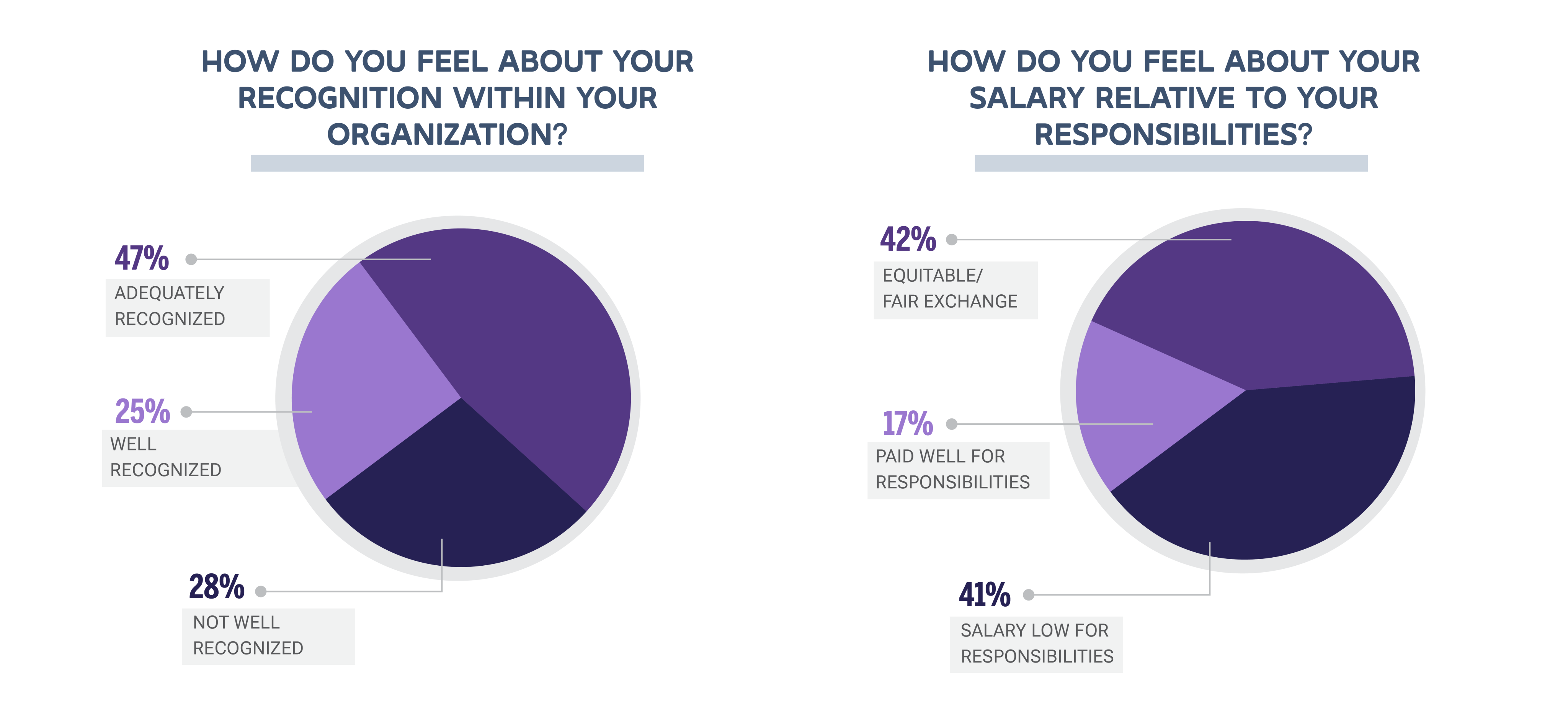


Meanwhile, 41 percent of respondents indicated they thought their salaries were low for their level of responsibility, up from 38 percent last year. (To be fair, the share of those who consider themselves well-paid increased too, from 14 percent to 17 percent.)
Even with the marked increase in the average respondent salary during the past four years, considering the impact of inflation and the increased workloads—the latter cited by several respondents in open-ended questions—it still can feel like an insufficient figure for the rigors of the profession.
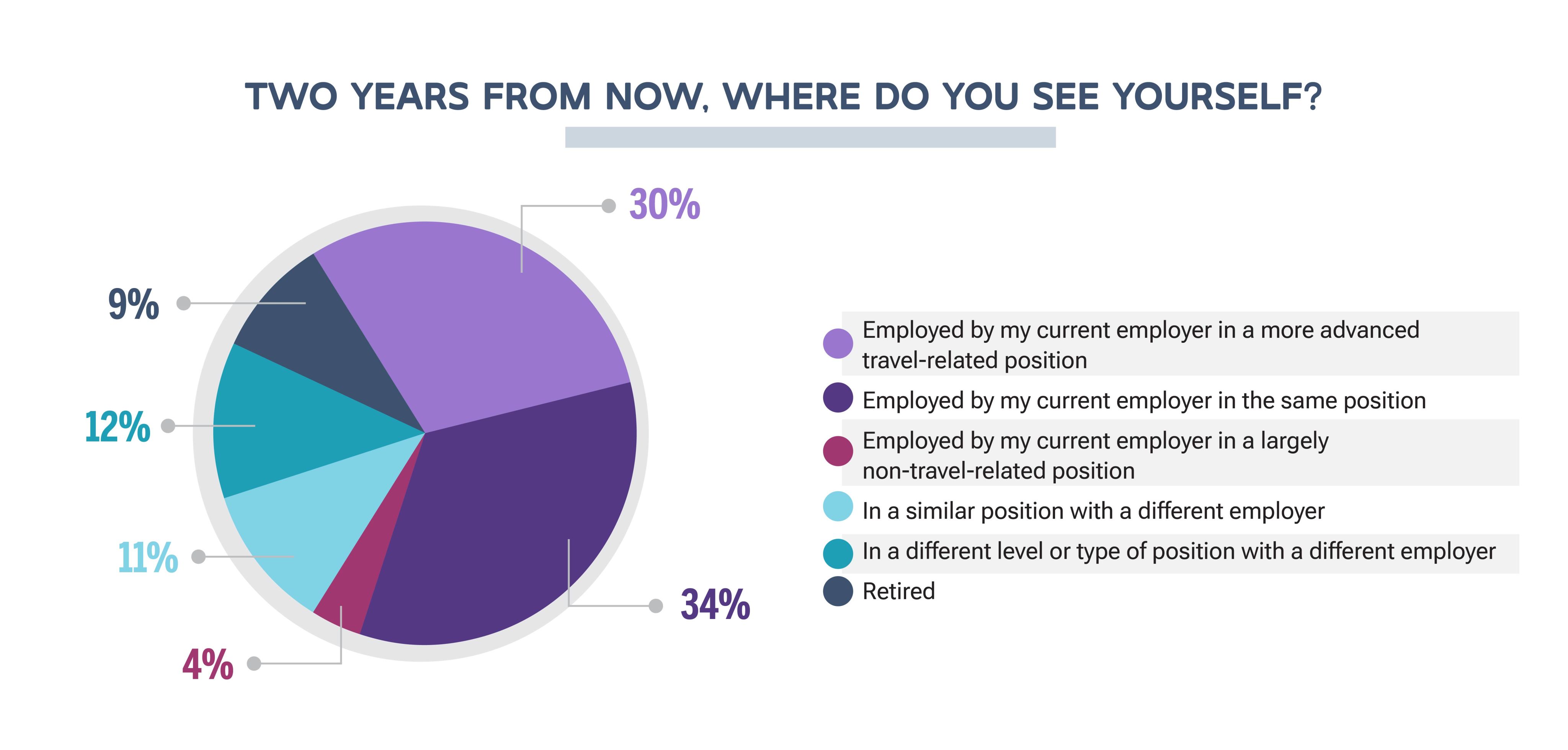
Still, most respondents plan to stick with it. About 64 percent expect to remain in the same position or a more advanced position with the same employer in two years, and another 11 percent project themselves in a similar position with a different employer.
 Built with Shorthand