
Strategic Payment Solutions Are Driving Business Travel Success in 2025: An Analysis
In a resilient environment, corporate payments emerge as a competitive advantage


Business Travel in 2025: A Story of Unexpected Resilience
Despite economic headwinds, geopolitical tensions, and operational challenges, business travel outperformed expectations in 2024 by many metrics. According to the Global Business Travel Association's latest industry report, 86% of business travel professionals said that 2024 was on par with or exceeded expectations, setting the stage for continued momentum in 2025.
The numbers support this optimism. In 2024, 71% of travel buyers said their company’s business travel bookings increased compared to 2023. This year, global business travel spending is projected to reach a new historical high of $1.57 trillion, representing steady growth despite many ongoing uncertainties.
This resilience reflects both sustained demand and broader market recovery. But it also suggests organizations need an approach to business travel that supports continued growth, with strategic payment strategies as a key differentiator. Companies that have invested in optimizing their travel payment infrastructure are far better positioned to capitalize on opportunities while maintaining cost discipline.
Will the Business Travel Boom Continue?
Traveler sentiment surveys say yes. The latest GBTA poll shows industry-wide optimism levels of 28%, somewhat lower than comparable periods last year, but nonetheless indicative of positive business traveler attitudes and willingness to hit the road.
The landscape, however, is more nuanced than simple volume increases might suggest. Internova survey data show flat business travel volumes but shorter, more purposeful trips, pointing toward a new approach to business travel rather than a return to previous patterns. Organizations are prioritizing efficiency and ROI, combining multiple meetings into consolidated trips and focusing on high-value interactions that justify travel expenses.
Regional variations add complexity to the growth story. GBTA data reveals distinct recovery patterns across North America, Europe, and the Asia-Pacific region, indicating that business travel volumes and demand will experience regional variation throughout 2025. This geographic diversity creates both opportunities and challenges for companies with global operations, making flexible, internationally capable payment solutions more important than ever.
The opportunity for efficiency gains through payment optimization remains strong, particularly among small and midsize enterprises. BTN research shows that 61% of small businesses spent more on business travel in 2024, and 58% plan to spend more in 2025 than they did last year, creating a larger volume of transactions that can benefit from streamlined payment processes and cost optimization strategies.


The New Economics of Corporate Travel Payments
Cost management remains the primary concern for corporate travel managers, and expenses continue to climb across all categories. Average business travel costs range from $1,549-$2,095 per trip, depending on company size and traveler seniority, according to Booking.com for Business research. These figures represent important budget line items that demand careful management and optimization.
The challenge becomes more pronounced when considering transaction volume. In a UATP report, based on a survey of corporate travel managers, 60% identified reducing overall travel costs as their most pressing pain point. This persistent cost pressure, combined with the fact that half of North American travel buyers say their companies are planning “more” or “a lot more” trips this year, makes transaction efficiency a key capability for corporate travel departments.
Beyond basic transaction processing, companies must also traverse ongoing foreign exchange volatility and the complexity of cross-border payments. These factors affect businesses of all sizes, but their impact can be especially pronounced for those organizations without sophisticated payment infrastructure or risk management capabilities.


How Corporate Travel Departments are Approaching the Current Landscape
The corporate travel management category is undergoing significant change as organizations recognize the strategic importance of integrated travel and payment solutions. More companies are implementing formal travel management and booking tools for the first time, moving away from ad-hoc expense reimbursement models toward comprehensive program management. Additionally, as Gen Z employees begin to make up a larger portion of traveling workforces, more corporate travel programs are exploring mobile virtual cards rather than traditional reimbursement processes.
Companies are also exploring unified platforms that combine booking, payment, and expense management into a single experience, recognizing that fragmented systems create inefficiencies and limit visibility into total travel costs. To support this visibility, there is a growing need for Level III transaction data to fulfill duty of care obligations, optimize travel, and enhance reporting capabilities. This detailed transaction information enables travel managers to identify cost-saving opportunities, ensure traveler safety, and demonstrate the ROI of their business travel programs to senior leadership.
Other changes are also underway. Artificial intelligence is playing an increasingly significant role across the travel ecosystem. McKinsey highlights AI's expanding role in travel planning and booking, which requires a compatible payment infrastructure capable of supporting automated decision-making and real-time transaction processing. Meanwhile, AI-powered payment orchestration is enabling more sophisticated cost optimization and fraud prevention capabilities. The adoption of Modern Airline Retailing supported by NDC and ONE Order is accelerating, too. According to the GBTA, 29% of travel management companies are now offering NDC content, prompting new payment integration requirements. The combined impacts of AI and NDC will likely reverberate throughout the travel industry, including the business travel segment, spurring changes we can’t yet anticipate.


UATP Corporate Charge Accounts: Engineered for the 2025 Environment
In this changing landscape, UATP Corporate Charge Accounts are specifically designed to address the challenges and opportunities facing today's business travel programs — and prepare for any future ones. With GBTA projecting moderate 6.6% growth compared to previous years’ double-digit gains, cost optimization through competitive transaction rates has become more important than ever for maintaining program efficiency and budget compliance.
The advanced data capabilities of UATP Corporate Charge Accounts provide the Level III transaction data that modern travel programs need to automate reconciliation and reporting processes, boost visibility, and promote effective cost control and program optimization.
Transaction expense minimization is only part of the puzzle for travel managers, however. Global acceptance remains a key infrastructure requirement as international business travel stabilizes amid continued complexity. UATP's worldwide network ensures that corporate travelers can complete transactions regardless of destination, while providing travel managers with consolidated reporting and simplified reconciliation across all international transactions.
For companies implementing formal travel management programs, UATP Corporate Charge Accounts streamline back-office processes, reducing the administrative burden on both travelers and finance teams while improving accuracy and compliance with corporate policies. And UATP's sophisticated fraud detection and prevention systems safeguard against financial losses while maintaining the cost efficiency that corporate travel programs demand.
Most importantly, UATP Corporate Charge Accounts are designed with integration readiness in mind. As companies adopt new booking technologies, NDC content, and AI-powered tools, UATP's payment infrastructure can adapt to support these technologies without requiring disruptive system changes or process modifications.
Beyond basic transaction processing, companies must also traverse ongoing foreign exchange volatility and the complexity of cross-border payments. These factors affect businesses of all sizes, but their impact can be especially pronounced for those organizations without sophisticated payment infrastructure or risk management capabilities.


Looking Ahead: What 2026 Has in Store for Global Business Travel


The outlook for business travel growth remains positive, despite near-term uncertainties. Growth is expected to rebound by 8.1% in 2026, with global spending reaching $2 trillion by 2029, indicating that the current expansion is likely to continue over the medium term.
However, several factors could influence this trajectory. Trade policy uncertainty and cross-border restrictions are creating new challenges, reinforcing the need for flexible payment solutions that can adapt to changing regulatory requirements and geopolitical disruptions. Companies with strong, internationally capable payment infrastructure will be better positioned to navigate these challenges and maintain business continuity.
Continued AI integration and automation will require ongoing adaptation in payment practices and infrastructure. As AI becomes more sophisticated in travel planning, booking, and expense management, payment systems must support real-time decision-making, dynamic pricing, and automated compliance checking.
Whatever 2026 brings, companies with superior payment strategies will be positioned to capture a greater share of recovery growth and maintain margins even in the event of a slowdown. The organizations that invest now in optimizing their travel payment infrastructure will have a competitive advantage as the market continues to change.

The Payment Advantage in a Recovering Market
The data from 2024 clearly demonstrates that business travel has exceeded forecasts and established a foundation for continued growth. This resilience, combined with changing traveler expectations and operational requirements, positions strategic payment solutions as enablers of both growth and efficiency.
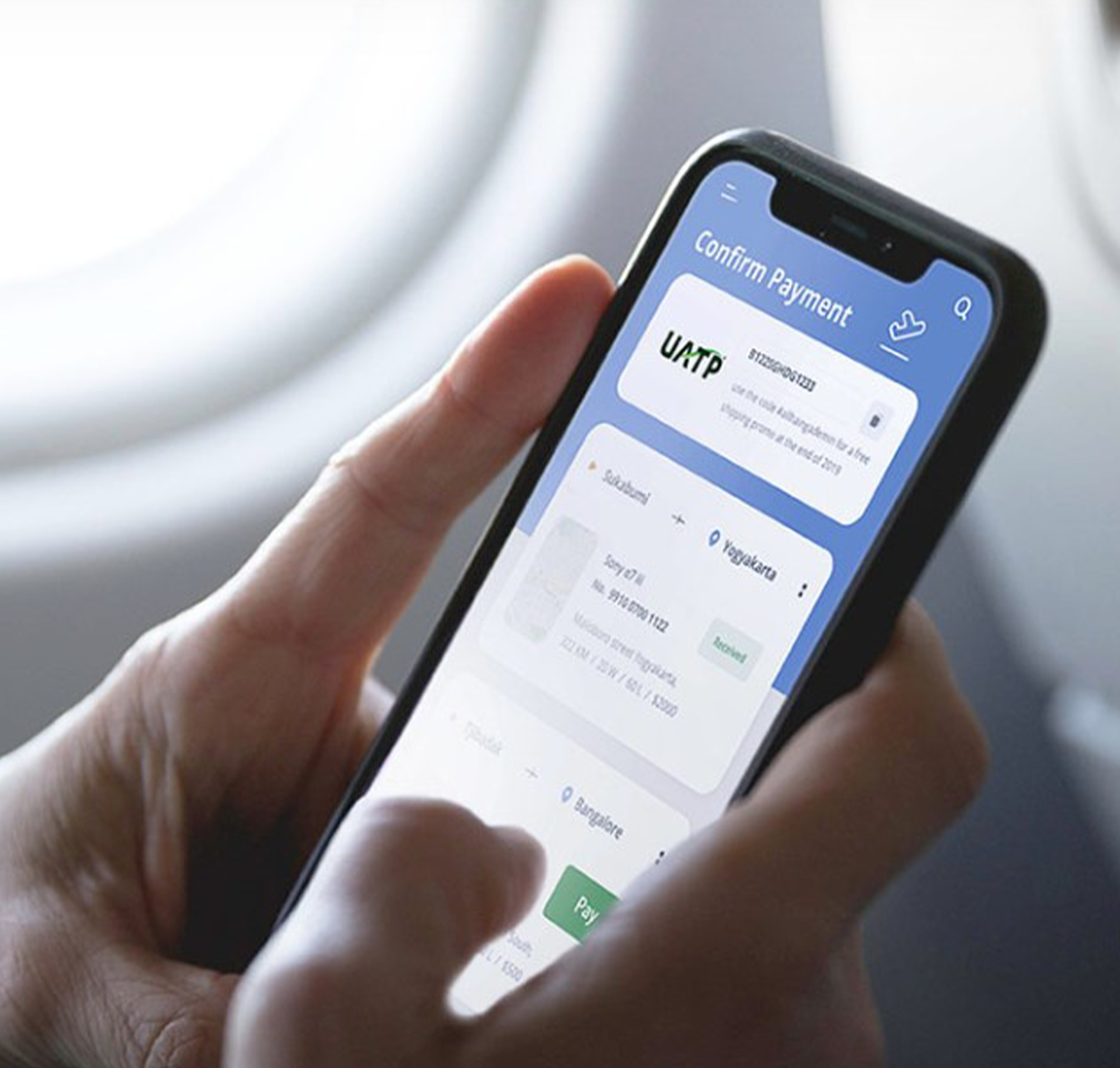
UATP's role in supporting companies of all sizes through this market development cannot be overstated. By providing the cost optimization, data capabilities, global acceptance, operational efficiency, fraud protection, and integration readiness that modern business travel programs require, UATP Corporate Charge Accounts help organizations maximize the value of their travel investments while minimizing operational complexity.
The current market momentum presents a unique opportunity for companies to establish a competitive advantage through an optimized payment strategy. Those who act now to implement comprehensive travel payment solutions — including UATP Corporate Charge Accounts — will be best positioned to capitalize on the projected growth in the global business travel market while maintaining the cost discipline and operational efficiency the modern corporate travel manager needs.
Seize the current market momentum and streamline your travel payments with UATP Corporate Charge Accounts.