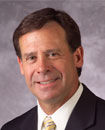
 Timothy Downs
Hotel program management for companies with largely
blue-collar workforces that travel frequently can present a particular set of
challenges. Wichita-based CLC Lodging for several decades has specialized in
such hotel programs, booking 11 million room nights last year for about a half-million
travelers. CLC Lodging CEO Timothy Downs recently spoke with Business Travel News lodging editor
Michael B. Baker about methods of managing workforce travel, including booking
and keeping rates under control.
What's your approach to managing lodging?
There are three ways we help companies manage travel: rate, operational efficiency and administration. The [travelers] have high- and recurring-volume travel, and a lot of them don't carry a credit card. On the administration side, we help with the billing and payment, consolidate the billing and keep track of records for all kinds of purposes, then deliver reports and do all the time-consuming tasks, like reporting, auditing and everything else associated with lodging.
On the operating efficiency side, we also develop hotel networks that are suited to that customer base or traveler. It might be location or quality of the hotels, or rate range. One specific example: We've served auto haulers for a number of years, and those trailers can't get into a parking lot with a greater than six-inch dipped bumper grade. We put a hotel directory together for those customers that have hotels with that specific parking lot criterion. Operationally, it saves a ton of time, because the company can book travel more efficiently, and they can set their ranges and know pretty effectively where people are going to go.
On the rate side, we've been negotiating hotels for many years. We negotiate typically at the street level, so we have long-term contracts at over 15,000 hotels and use about 17,000 hotels annually, when you include emergency lodging. We leverage the buying power and the experience and the data and the systems to help us negotiate the rate for our customers. Workforce lodging is a cost of goods sold from a lot of those companies. Travel is not optional for most of our customers. It's something they have to do, so being able to effectively manage that and help them control that is not really an option for them. It's a real need, because any savings in time and administration costs pretty much go directly to the bottom line for most of our customers.
Do you work directly with travel managers?
It varies. A lot of times, we're working in operations departments. Surely, we're in the travel management piece as well, but more frequently, when the program gets set up, it's in the operational or delivery side of the company for the day-to-day stuff, on the workforce side. It's a little different than white-collar travel. Most travel managers focus in that area rather than the area we're in, but certainly, they're involved. Demand for our kind of product obviously looks to be growing, and it's not just about rate. I've been here a little over 13 years and talked to people that had perception that lodging is difficult to manage, if not unmanageable, but with the right tools, it's becoming more and more so.
How do you handle booking?
Most of our companies either walk into the hotel or contact them themselves. There's a lot of repeat visits to the same network hotels. We do have an in-house call center, and we do booking for a lot of our customers. A lot of them are in what we call convenience networks, where they're using a lot of hotels and few nights across a lot of geographies. They'll use us to help them book the rates. We provide our customers with an identification card or a way to let them know they're customers and bill us.
Who are your typical customers?
We have over 130 trucking companies, and it goes everywhere from less-than-truckload companies to freight haulers that do irregular stuff like car transports. We do railroads. We have four rail customers in the U.S. and one in Canada. We do a lot of retail services. Inventory, retail store setup, retail store construction are a good segment for us, and we have quite a few customers in the energy sector.
What sorts of hotels are in your program?
It's economy, midscale and upper midscale. We have some upper upscale hotels, but primarily, it's in that economy to upper midscale range. That's more suited to our traveler types.
Do you do much mobile booking?
It's less critical for us, but certainly that's a growing trend. We don't book online generally, as our customers have a director and book it themselves, A lot of our customers now are carrying smart devices, so we're working on tools to help them.
How do you keep rates down in seller's markets?
We have long-term relationships with a lot of our hotel partners. We also don't sign up every hotel on the block. With 51,000-plus hotels in the U.S.—we do regular, recurring business with about 17,000—we pick and choose and direct people. Our business travelers also are very low cost to the hotel. They don't book hotels online, they're regular and recurring, they come in, get their rest, eat and get back to work, so I think hotels really appreciate that aspect of the business. It's base business, recurring, it's very low-cost to serve, and it builds brand loyalty and will provide a lot of data. We try to be very data-rich in dealing with hotels and customers. We can get pretty good at predicting volume and where it's going to be and help hotels understand how it's going to look in a relationship. All those factors help us, and of course volume is huge right now and is going to be growing.