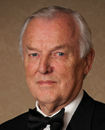
 John A. Fentener van Vlissingen
New York - The BTN Group in December inducted into its Business Travel Hall Of Fame BCD Holdings founder John A. Fentener van Vlissingen, the first European to join the exclusive club. Marking the occasion, van Vlissingen spoke with Business Travel News editorial director Jay Campbell about his legacy and lessons of business. Van Vlissingen broke from his family enterprise, SHV Holdings, the Netherlands' largest privately owned company, to build organically and opportunistically a major corporate travel player in 38-year-old BCD Holdings. It includes BCD Travel, Park 'N Fly, TRX and other travel interests. Of late, van Vlissingen has taken to sponsoring young entrepreneurs in technology. In the interview, he called business travel a business "that we'll keep forever—I always say, for the next, next generation." The 73-year-old van Vlissingen highlighted as a milestone in his long career the 1998 acquisition of BTI Americas from EDS and the subsequent BTI-WorldTravel Partners merger.
How has business changed throughout your time in it?
For everyone, it's quite the same. The Internet has played a huge role in so many companies.
Your grandfather founded a conglomerate, but your career started in finance and settled on travel and technology.
I always felt very close to our family company. I was always on the board. When I was in my 20s, I was very interested in the financial area. Mergers and acquisitions, and building companies. I found it fascinating and joined Pierson, the largest merchant bank in Holland. I became a partner and had a fantastic time. It never came back into my mind to go back to the family company. There was only one period after that, when my brother got very ill.
So you became more of an entrepreneur?
I sometimes get teased by the size of BCD. The bigger it gets, the more complicated it gets. You need regulations and certain structure, proceedings. You need staff meetings. The same with SHV. I then miss, sometimes, the entrepreneurial spirit. I love to sit down on a Monday and take the decision on Tuesday. I fully understand the bigger the company gets, the more it needs structure. I love BCD and the people, and I think they're doing a great job. I just love to build a new company.
Was it easier or harder to make money when you were younger compared with today?
The world has become so quick, so fast, that for a small percentage, and they need a lot of luck, it's easier to make money today. But you'll see more failures. On the Internet, an idea can pop up and then it gets known and then it jumps to a huge value. That did not happen in the old days—it was building and building, and it would take a longer time.
What are the turning points in your career and what are you most proud of?
The turning point was maybe even [former BTI Americas president] Ralph Manaker, because [WorldTravel Partners was] quite a strong regional company and then came along BTI. That was a very gutsy move for us because they were losing money and they were two to three-times our size, so it was a reverse takeover. If you don't handle that right, the whole ship comes down. It took us a year before we finally jumped in, because the company was for sale [by EDS] a long time. No one dared to touch it. We analyzed it, the price came down. And we realized we needed some of the key managers like Ralph. So we approached the key managers and asked if they were willing to come on board if we do it. And then we merged very quickly to cut the cost. I'm still proud of the people that within a year we made it profitable. Then we were already No. 3 in then United States market without being international. And that gave us a strong base from which to go abroad.
Are there times of your career in business that you remember more vividly than others and why?
I remember very well our start in the travel industry. And maybe our success was that we didn't know the travel industry. A total outsider doesn't follow the path everyone does. You're automatically thinking outside the box. The way we jumped into technology, no one else did in the beginning. The second company we bought was a technology company, [which later became TRX].
What were your biggest frustrations or challenges?
One frustration I have is, you need a [regulatory] control mechanism but it kills the entrepreneur. We see it all over the world. The amount of permissions and paperwork you need is counterproductive. The paperwork sometimes makes it impossible to move fast. They put in all these mechanisms to neutralize or stop people who do not have an honorable way of doing business, but it doesn't stop them.
Is there a country that has the right balance?
No. It's difficult to find. The world is not all the same, but it has become smaller and they are sort of following each other.
Do you have a philosophy of business?
Over all those years I have seen a lot of corporations—been on boards of companies quoted on the stock exchange—and I have seen family companies. I am totally against what I would call the quarterly thinking, and the nice thing about a family business is they can think long-term. Take a simple retail outlet. If they start new stores, they may make a loss in the first year. Isn't it terrible to think quarterly and you would slow down on those kinds of things? With technology, it sometimes takes a long time before it gets implemented. It's not all done in a quarter.
Who is your role model, and also a person you admire from history?
I used to know Jan van den Brink, the former chairman of Amro Bank and former Dutch minister of economic affairs. When I was young I made a lot of mistakes and got very frustrated, and talking to van den Brink helped. He was very international, a very successful business man and he understood you may stumble, but you get up again and you walk further. And from history, although in a way he came through with luck because he was the fifth or sixth choice, it was fantastic for the world that Winston Churchill came in that moment, in Britain's darkest hours. He clearly motivated people.
Is the ability to motivate a leader's most important quality?
What I'm saying is so obvious, but what a leader needs to do is select the right team. You don't have a good team if you just have followers. Ralph, [former BCD Travel execs] Jack Alexander and Danny Hood all had their own minds, but they made a great team. Everyone will come to a leader and say how fantastic they are and how brilliant, and some of the leaders cannot cope with that. They start floating and believe they can do everything, and that's very dangerous. I believe very much in leaving good people the freedom but within the boundaries of responsibility. I'm not a control freak.